How to Compare Sugar in Packaged Snacks: A Simple Guide
Reading the Nutrition Label Effectively
When you pick up a packaged snack, the first place to look is the nutrition label. This is where you will find the information you need to understand what you are eating. Start by checking the serving size, because all the numbers on the label refer to that specific amount. Sometimes a package contains more than one serving, so if you eat the whole package, you need to double or triple the numbers. After that, look for the line that says "added sugar." This tells you how much sugar has been put into the product during manufacturing, separate from any naturally occurring sugars. For many snacks, this is the key number to watch, because added sugar provides energy without other beneficial nutrients.
Next, check the total carbohydrates listed on the label. This includes starches, fiber, and sugars. If you are trying to reduce your sugar intake, you want a snack where the added sugar is low relative to the total carbohydrate count. A snack with a high fiber content, for example, will have a lower net carb impact, which can help with satiety. This is where the concept of dietary fiber becomes important, because it slows down digestion and helps you feel full longer. So when you compare two snacks, look at both the added sugar and the fiber content to get a fuller picture of what you are eating.
For those who enjoy chewy treats for mindful snacking, understanding how to read these labels is the first step. A snack that is low in added sugar but has some fiber can be a satisfying choice without spiking your blood sugar. This is why many people turn to options like low sugar stroopwafels, which offer a sweet taste with less of the sugar load you might expect from a traditional wafer snack.
Checking the Ingredient List
The ingredient list is another valuable tool. Ingredients are listed in descending order by weight, so the first few items make up most of the product. Look for sweeteners such as cane sugar, high fructose corn syrup, honey, agave syrup, or fruit juice concentrates. If these appear near the top, the snack is likely high in added sugar. Some products use multiple types of sweeteners, which can add up even if each one appears further down the list. A snack that lists sugar in several forms, even in smaller amounts, can still contain a significant total of added sugar.

Also watch for sugar alcohols or artificial sweeteners, which are used in many low-sugar products. These can be a good alternative for reducing calories, but some people find they cause digestive discomfort. If you are sensitive to these, check for ingredients like maltitol, sorbitol, or xylitol. Stevia and monk fruit are natural non-caloric sweeteners that are becoming more common. The ingredient list tells you everything that goes into the snack, so it pays to read it thoroughly.
Comparing Serving Sizes Across Brands
One common trap when comparing snacks is that serving sizes can differ between brands. A nutrition label might show 5 grams of sugar per serving, but if one brand's serving is 30 grams and another's is 50 grams, the numbers are not directly comparable. To make a fair comparison, calculate the sugar content per 100 grams or per standard unit, like per cookie or per bar. This way you can see which product actually has less sugar in a typical portion you would eat.
For instance, if you are looking at two different wafer snacks, one might have a serving of one wafer and the other a serving of two wafers. The label for the two-wafer serving might show twice the sugar, but per wafer they could be the same. Taking the time to do this simple math helps you avoid misleading comparisons and choose the snack that truly fits your needs.
Considering the Role of Fiber
Dietary fiber is a component of carbohydrates that your body does not digest. It passes through your system and helps with digestion and satiety. When a snack contains fiber, it can offset some of the sugar's effect because the fiber slows the absorption of sugar into your bloodstream. This means you get a more gradual energy release rather than a quick spike and crash. So when comparing two snacks with similar sugar levels, the one with more fiber is often the better choice for steady energy and feeling satisfied longer.
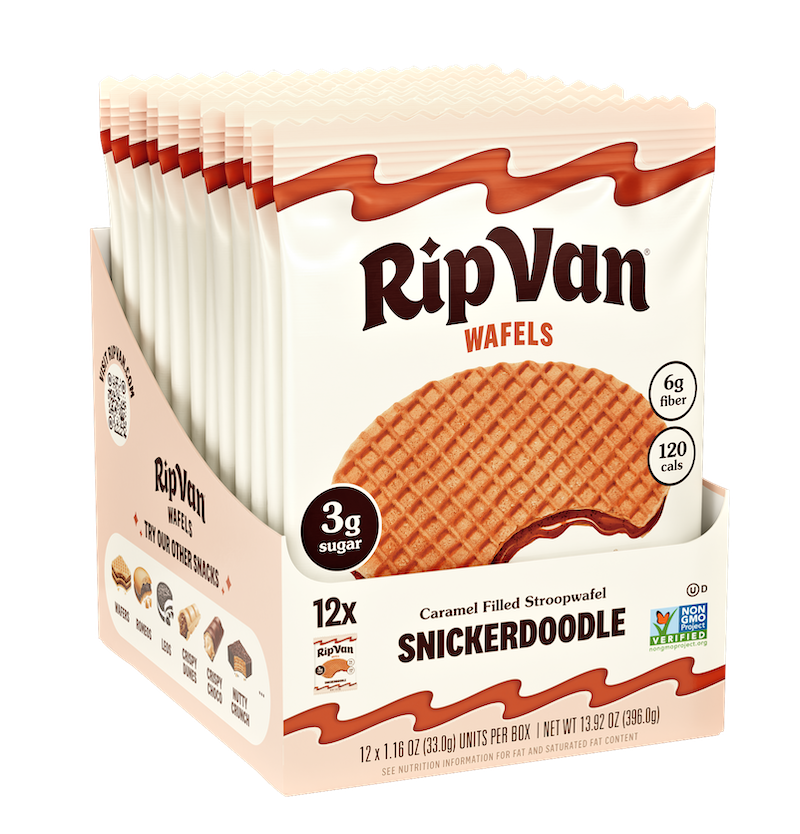
Many packaged snacks now add fiber to improve their nutritional profile. For example, some stroopwafels and filled wafer snacks include added fiber to make them more filling while keeping the sugar content low. This combination of low sugar and added fiber is what makes certain products stand out as chewy treats for mindful snacking. When you see a snack that has both, you are getting a treat that can fit into a balanced diet more easily.
Understanding Sweeteners and Their Impact
Not all sweeteners are created equal. Some provide calories, while others do not. Natural sweeteners like honey and maple syrup still contain sugar and calories, even if they are less processed. Artificial sweeteners like aspartame or sucralose provide sweetness without calories, but some people prefer to avoid them. Plant-based sweeteners like stevia and monk fruit are derived from leaves and fruit, and they do not raise blood sugar levels. When you see a product labeled "low sugar," check which sweetener is used. This can affect the taste, the calorie count, and how your body responds.
Another factor is the glycemic index, which measures how quickly a food raises blood sugar. Low-sugar snacks that use fiber and low-GI sweeteners can help maintain stable energy levels. This is particularly useful for people who are watching their blood sugar or trying to reduce cravings. A snack that combines a low sugar count with ingredients that promote satiety is a smart choice for anyone looking to manage their weight or energy levels throughout the day.
Putting It All Together
When you are in the store or browsing online, keep a mental checklist. First, note the serving size. Second, check the added sugar per serving and per 100 grams. Third, look at the fiber content to see if it helps balance the carbohydrates. Fourth, scan the ingredient list for the types of sweeteners used. Fifth, consider the overall calorie count if that matters for your goals. This simple process takes only a minute but can make a big difference in choosing snacks that support your health.
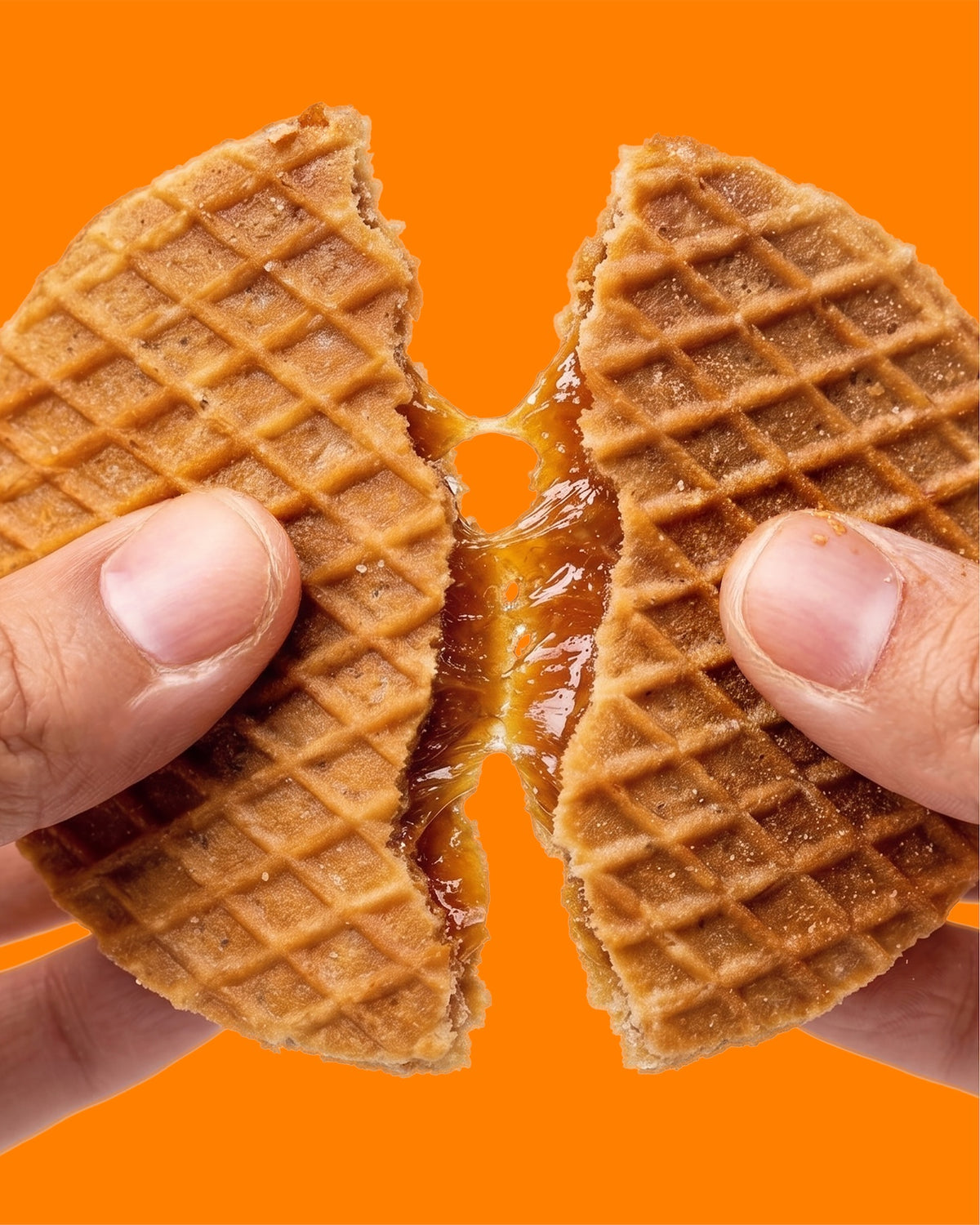
For those who enjoy a sweet treat, options like low sugar stroopwafels are designed with these principles in mind. They offer the chewy, caramel-like texture of a traditional stroopwafel but with less sugar and added fiber. By using the checklist above, you can compare them with other snacks and see how they fit into your daily eating pattern. The goal is not to avoid sweetness altogether, but to choose snacks that provide satisfaction without excessive sugar.
Remember that mindful snacking is about making informed choices. When you understand what is in the package, you can enjoy your food without guilt. The next time you reach for a packaged snack, take a moment to read the label and compare. Your body will thank you for the extra attention, and you will likely find that these small habits help you feel better throughout the day.